The Case for a Plastic-Free Future
- support33057
- Sep 26, 2024
- 2 min read
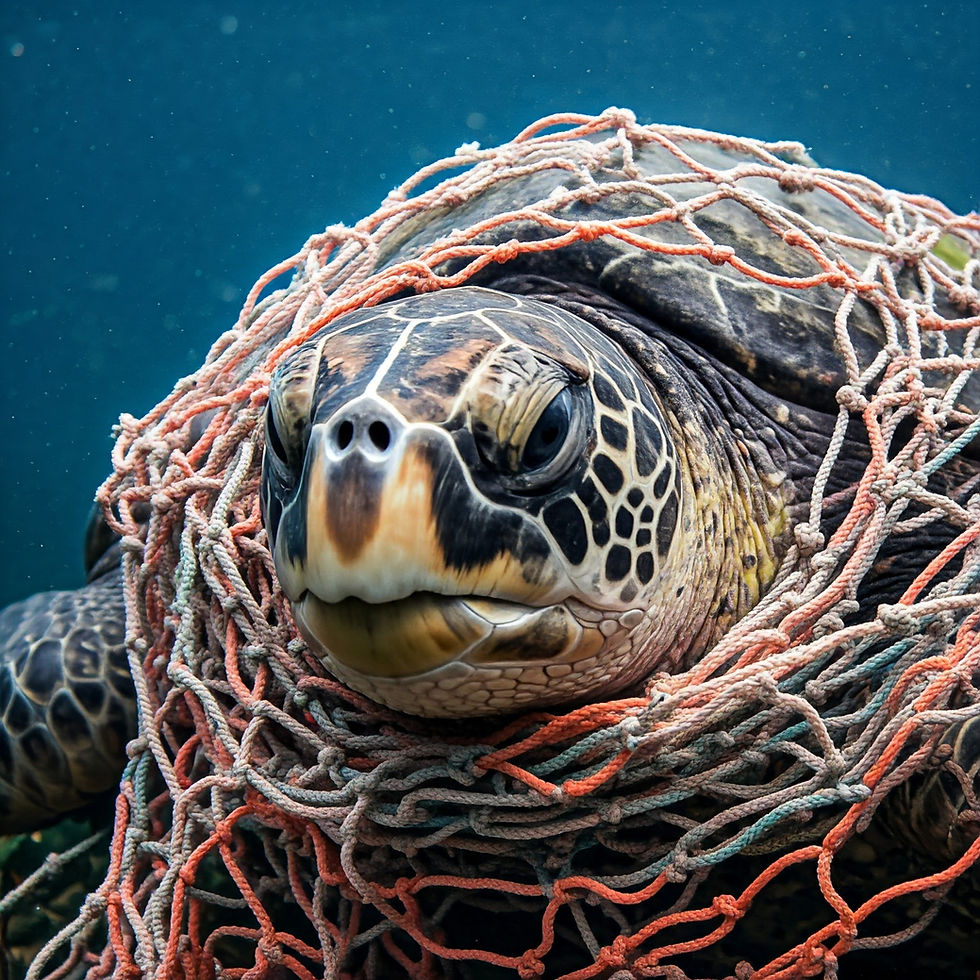
Plastic, a material that revolutionized industries, has become a ubiquitous part of modern life. However, its convenience comes at a significant cost to the environment. The accumulation of plastic waste in landfills, oceans, and ecosystems poses a serious threat to our planet. Here are compelling reasons to eliminate plastics completely from manufacturing processes, focusing on clothes, everyday household products, and packaging.
Environmental Impact of Plastic
Ocean Pollution: Plastics are lightweight and easily carried by wind and water. As a result, they often find their way into oceans, where they break down into microplastics. These tiny particles contaminate marine ecosystems, harming marine life and entering the food chain.
Landfill Waste: Plastics take hundreds of years to decompose, contributing significantly to landfill waste. This not only occupies valuable land but also releases harmful chemicals into the environment during the decomposition process.
Greenhouse Gas Emissions: The production of plastics requires substantial energy, often derived from fossil fuels. This contributes to greenhouse gas emissions and exacerbates climate change.
Alternatives to Plastic
Fortunately, numerous sustainable alternatives to plastic are available, offering similar functionality without the environmental drawbacks. Some examples include:
Biodegradable Materials: Materials derived from renewable resources like plants and bacteria can decompose naturally, reducing landfill waste and pollution.
Recycled Materials: Recycling plastic waste can help reduce demand for new production, conserve resources, and minimize environmental impact.
Reusable Products: Investing in durable, reusable products can eliminate the need for single-use plastic items, such as shopping bags, water bottles, and food containers.
Glass and Metal: Traditional materials like glass and metal are often more sustainable and recyclable than plastic, making them viable alternatives in many applications.
Benefits of a Plastic-Free Future
Preservation of Ecosystems: Eliminating plastics would protect marine ecosystems, wildlife habitats, and land resources from pollution and degradation.
Reduction of Waste: A plastic-free future would significantly reduce landfill waste and the need for new plastic production, conserving resources and energy.
Improved Public Health: By minimizing plastic pollution and reducing exposure to harmful chemicals, a plastic-free future could contribute to improved public health.
Economic Opportunities: The transition to sustainable alternatives can create new industries, jobs, and economic opportunities.
While eliminating plastics completely may seem like a daunting task, it is crucial to take steps towards a more sustainable future. By making informed choices as consumers, supporting businesses that prioritize sustainability, and advocating for policies that promote a plastic-free economy, we can work towards a healthier planet for generations to come.


Comments