
Empty Homes vs Unhoused People
- Zeta Streams

- Dec 3, 2025
- 3 min read
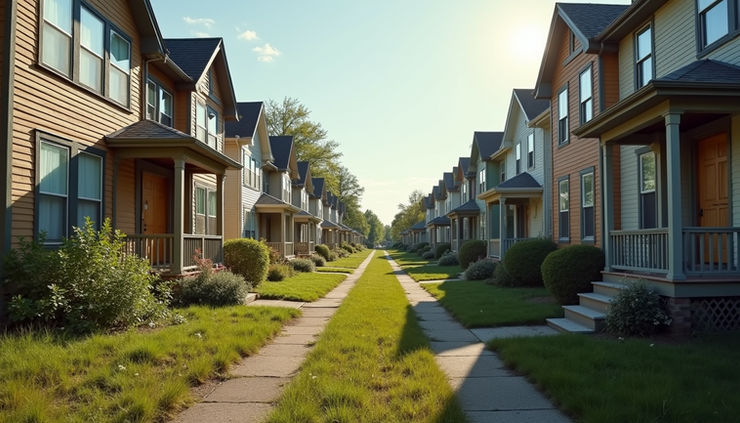
The United States faces a troubling paradox: millions of homes sit empty while hundreds of thousands of people have no place to live. According to the U.S. Census Bureau, there are about 17 million vacant houses across the country, while roughly 600,000 people experience homelessness on any given night. This means there are approximately 27 empty homes for every homeless person. On the surface, this sounds like a simple problem to solve—just move people into the empty houses. But the reality is far more complex and troubling.
The True Availability of Vacant Homes
When we look closer, not all vacant homes are available for immediate occupancy. Many are not on the market or available for rent. Once you filter out properties that are not accessible, the number of vacant homes drops to about 8.6 per homeless person. While this still seems like a manageable ratio, the challenge lies in affordability.
Most of these homes are priced far beyond what the average person experiencing homelessness or even low-income families can afford. The housing market often treats these properties as investments rather than places to live. This creates a situation where empty homes become financial assets for the wealthy, while people in need remain without shelter.
Cities with the Widest Gaps
Some cities illustrate this disparity more starkly than others. Detroit, for example, has about 116 empty homes for every homeless person. Syracuse has 110. Despite this abundance of vacant properties, these cities continue to see growing homelessness rates while cutting back on services designed to help those without homes. This suggests systemic issues that go beyond simple supply and demand.
The Scale of Homelessness in America
In January 2023, the number of people experiencing homelessness in the U.S. reached approximately 653,000. This marked a 12.1% increase from the previous year and set a new record for the highest number ever recorded. The human cost behind these numbers is staggering:
111,620 homeless children
10,548 children sleeping outside
Over 3,000 children living without any adult support
34,147 young adults aged 18 to 24 living on the streets
A 16% increase in families with children losing their homes in 2022, totaling more than 25,000 families
The chronically homeless population reached 127,768 in 2022, another record high
These figures reveal a growing crisis that affects not only individuals but entire families and communities.
The Role of Economic Inequality
The housing crisis is deeply tied to economic inequality. Wealthy individuals and investors often hold multiple properties as part of their investment portfolios, leaving many homes vacant. This practice drives up housing prices and reduces the availability of affordable housing for those who need it most.
Meanwhile, people experiencing homelessness face barriers such as lack of income, poor credit history, and limited access to social services. These challenges make it difficult for them to secure housing, even when vacant homes exist nearby.
The Impact on Black Americans and Other Marginalized Groups
Homelessness disproportionately affects Black Americans and other marginalized communities. Structural racism, historical housing discrimination, and economic disparities contribute to higher rates of homelessness among these groups. Addressing homelessness requires acknowledging and tackling these systemic issues.
What Can Be Done?
Solving the homelessness crisis requires more than just pointing to empty homes. Here are some practical steps that could help:
Increase affordable housing development: Governments and nonprofits need to invest in building and maintaining affordable housing units.
Implement housing-first policies: Providing stable housing before addressing other issues like employment or health can improve long-term outcomes.
Regulate vacant properties: Cities could impose taxes or penalties on long-term vacant homes to encourage owners to rent or sell them.
Expand social services: Support for mental health, addiction treatment, and job training can help people maintain housing.
Address systemic inequality: Policies that reduce economic disparities and combat discrimination are essential to prevent homelessness.
The Human Cost Behind the Numbers
Behind every statistic is a person or family struggling to find safety and stability. The growing number of homeless children and young adults highlights the urgency of the problem. These vulnerable groups face increased risks of violence, illness, and long-term hardship.
Communities must come together to support those in need and push for policies that prioritize housing as a basic human right.


Comments